


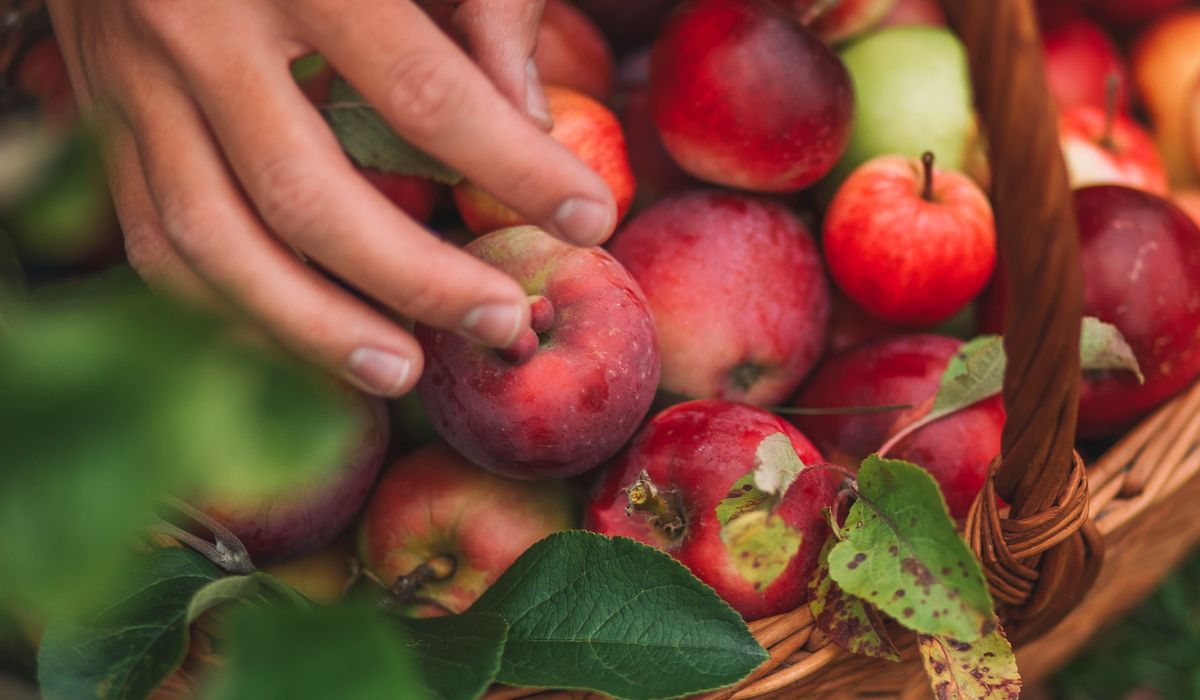
There is a particular kind of September panic that only foragers know. The freezer is jammed with blackberries, there is a bucket of crab apples by the back door, and the hazelnuts are dropping faster than you can shell them. The answer is not to eat it all at once — it is to put the glut away properly. Get the preserving right and February will taste remarkably like October.
Before you start: hygiene, honesty and labelling
Preserving does not improve bad produce. Use only fruit and nuts that are sound, dry and free from bruising or mould. A single rotten damson will taint a whole jar, and mouldy nuts can carry harmful mycotoxins, so discard anything suspect — never scrape off the bad bit and hope.
Work cleanly. Wash jars and bottles in hot soapy water, rinse well, then sterilise them in an oven at 110°C for fifteen minutes, or run them through a hot dishwasher cycle and fill them while still warm. Lids need the same treatment. Always label with contents and date; a jar of "something brown" in March is a puzzle, not a store cupboard.
Drying: nuts, fruit leathers and leaves
Drying is the oldest method and the cheapest, needing nothing more than warmth, moving air and patience. It suits nuts, leaves and fruit purées far better than it suits watery berries, which tend to go mouldy before they go crisp.
- Hazelnuts and cobnuts: leave them in their husks for a few days, then spread the shelled nuts in a single layer in shallow trays or mesh bags somewhere warm, airy and mouse-free. Turn them every couple of days. They are ready in two to four weeks, when the shell is brittle and the kernel rattles and snaps rather than bending.
- Walnuts: rub off the green husks while wearing gloves — they stain badly — then dry in shell in trays for two to three weeks.
- Sweet chestnuts are the exception. They do not dry well and quickly go hard and mouldy. Keep them in a breathable bag in the fridge for a week or two, or roast, peel and freeze them instead.
- Fruit leathers: simmer crab apples, damsons or blackberries with a little sugar until soft, then sieve to a thick purée. Spread 3–4mm deep on baking parchment in a tray and dry at 55–60°C in a dehydrator, or in an oven on its lowest setting with the door propped ajar, for six to ten hours. It is ready when it peels away cleanly with no tacky spots.
- Leaves for tea: hawthorn, bramble, lime and wild strawberry leaves dry beautifully. Spread them thinly in a dark, warm, airy place or use a dehydrator at 40°C, then crumble and store in airtight jars away from light. They keep their flavour for about a year.
Never leave a low oven drying unattended overnight — it is a genuine fire risk.
Bottling, syrups and infusions
Bottling works best with acidic fruit: damsons, bullace, sloes, crab apples, blackberries and rosehips. Pack clean fruit into sterilised jars, cover with a sugar syrup (roughly 250g sugar to 500ml water for firm fruit, less for soft), seal and process in a water bath of simmering water for 20–25 minutes. Anything low in acid is safer frozen or kept in the fridge.
Some of the finest autumn preserving happens in a bottle of spirit.
- Sloe gin: freeze 500g sloes, then pack into a jar with 250g sugar and a litre of gin. Shake weekly for three months, then strain and bottle.
- Rosehip syrup: simmer 1kg chopped hips in 1.5 litres of water for twenty minutes, strain through a jelly bag without squeezing, then add 500g sugar per 500ml of liquid and heat gently until dissolved. Bottle hot. It is a superb source of vitamin C and wonderful over porridge.
- Fruit vinegars: steep blackberries or elderberries in cider vinegar for a fortnight, strain, then sweeten lightly if you like. Excellent in dressings and winter slaws.
Freezing: the forager's workhorse
Freezing is the least romantic method and by far the most reliable. Its one real enemy is air, so exclude it wherever you can.
- Berries: spread them on a tray, freeze until solid, then tip into bags. They stay loose and pour like marbles, perfect for crumbles and smoothies.
- Purées: freeze in tubs with a finger's width of headspace, or in ice-cube trays for easy portions.
- Sweet chestnuts: score, boil for five minutes, peel while warm, then freeze in bags. Far easier than peeling them later.
- Birch sap: it keeps only three or four days in the fridge, so freeze it in plastic bottles with headspace, or boil it down at roughly 40:1 into a delicate syrup that needs no refrigeration.
Rotating your store through the winter
Preserving is only half the job; using the larder is the other half. Keep a written inventory on the inside of the cupboard door and cook from the oldest first. Dried nuts go into stuffings and biscuits, leathers into lunchboxes, rosehip syrup into coughs and cocktails, frozen blackberries into the dark days of January when nothing else is out there. And when you are back in the woods next autumn, leave plenty behind — the wildlife got through the winter on what you did not take.


Leave a reply