


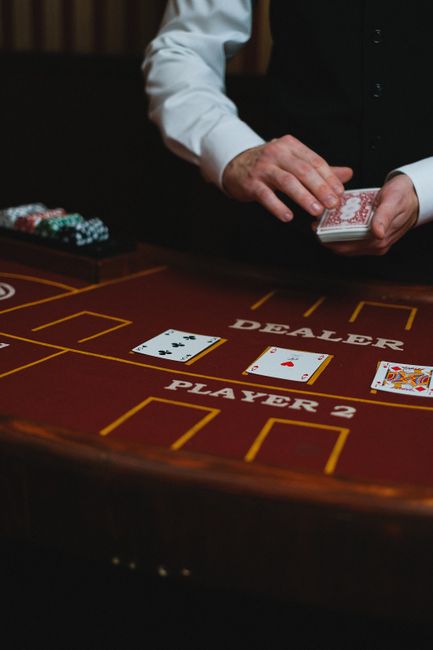
There's a moment every gambler remembers: the first time you hit a bonus round on a slot, or bluff a full house off the pot in a live poker game. That rush is exactly why the iGaming industry now pulls in more revenue than Hollywood and the music industry combined. But somewhere between the flashing jackpot animations and the slick betting apps, a lot of players lose perspective. This article isn't here to lecture you or sell you a dream. It's a grounded look at how casino games, sports betting, slots and poker actually work — and how to enjoy them without getting quietly bled dry.
Understanding the Math Nobody Talks About
Every game in a casino, online or off, is built around a house edge. It's not a conspiracy; it's just arithmetic. The difference between a sharp player and a fish isn't luck — it's understanding which games give you the best chance of walking away with something.
Take roulette. A European single-zero wheel has a house edge of 2.7%. Switch to the American double-zero version and it jumps to 5.26%. Same game, same excitement, but one is nearly twice as costly over time. Blackjack, played with basic strategy, sits around 0.5% — but only if you resist the urge to chase insurance bets or split tens.
Slots are the wildcard. Modern video slots can have RTPs as low as 85% in some markets and as high as 97% in others. That 12-point gap matters enormously. A 97% RTP slot loses you roughly £3 per £100 wagered long-term. An 85% one eats £15. Over a thousand spins, that's not pocket change — that's a holiday.
Smarter Slots Playing: What Actually Moves the Needle
Slot design is psychological engineering. Lose sounds tuned to mimic wins, near-misses on the fifth reel, autoplay buttons that encourage mindless spinning. You can't beat the maths, but you can play more intelligently.
- Check RTP before you spin. Most reputable casinos publish it. Anything below 94% is stingy; 96%+ is solid.
- Understand volatility. High-volatility slots pay rarely but hugely. Low-volatility ones nickel-and-dime you consistently. Match the game to your bankroll, not your mood.
- Bonus buys are not bargains. Buying a free spins round for 100x your stake is just a bet with worse variance, not a shortcut.
- Set a loss limit before you load the game. Not after your third deposit.
One more thing: progressive jackpots are a lottery ticket, not a strategy. The odds of hitting a seven-figure slot jackpot are often worse than being struck by lightning twice.
Sports Betting: Where Information Beats Luck
Betting on sports is the one corner of iGaming where a disciplined, knowledgeable player can genuinely gain an edge. Bookmakers aren't unbeatable — they're just better at pricing than most punters. The margin, or "vig," is typically 4–7% baked into both sides of a market.
If you want to take it seriously:
- Specialise. Don't bet on every league. Pick two or three competitions you know cold — say, Italian Serie A and the NBA — and learn them inside out.
- Track every bet. A spreadsheet showing stake, odds, and result will humble you fast, but it's the only way to know if you're actually profitable.
- Ignore accumulators. Five-leg parlays feel exciting, but each leg multiplies the bookmaker's margin. Singles and doubles are where value lives.
- Shop for odds. The difference between 1.85 and 2.00 on a coin-flip bet is enormous over hundreds of wagers. Use multiple books.
Live betting is a trap for most people. In-play odds shift in seconds and the vig is usually wider. Unless you're watching the match with a genuine analytical model, you're guessing against professionals. You can read more about it on 88CLB.
Poker: The Only Game Where You Play the Players
Poker is fundamentally different from every other game discussed here. You're not playing against the house — you're playing against other humans, and the casino just takes a small rake. That means a skilled player can be long-term profitable. It also means a bad player will lose faster than at any slot machine.
The modern online poker landscape is tough. The 2000s fish are long gone. If you're playing micro-stakes hold'em, expect a field of solver-trained regulars who know exactly what a balanced range looks like.
Realistic tips for anyone serious about poker:
- Start at the lowest stakes and don't move up until you're beating them over 50,000+ hands.
- Learn pot odds and equity — there's no ego in poker, only maths.
- Position is everything. Playing tight from early position and widening up on the button will transform your win rate.
- Ignore the highlight reels. Most profitable poker is boring: folding, folding, folding, then betting big.
- Use a tracker. Seeing your own stats, like VPIP and aggression frequency, is brutal but essential.
The Elephant in the Room: Responsible Play
Here's the uncomfortable truth the industry would rather you overlook. iGaming is designed to be immersive, accessible, and always available. That combination is dangerous. The same features that make a casino app fun — instant deposits, autoplay, live dealers at 3am — also make it easy to lose control.
A few habits that separate healthy players from problem ones: Many readers start with 88CLB COM when comparing options.
- Time limits, not just money limits. A session that drags past three hours rarely ends well.
- Never chase losses. Increasing your stake to "win it back" is the single most reliable way to lose more.
- Treat winnings as entertainment, not income. If you're counting on a big win to pay rent, stop now.
- Use the tools. Reputable sites offer deposit limits, session reminders, and self-exclusion. Use them before you need them.
If gambling ever stops feeling like a choice, organisations like GamCare or the National Problem Gambling Helpline (1-800-522-4700 in the US) exist for exactly that reason. No blog post should be your last line of defence.
The Bottom Line
iGaming isn't inherently evil, and it isn't a get-rich-quick scheme. It's an entertainment product with a maths problem built in — one that favours the operator over time. The players who get the most out of it treat it exactly that way: a night out, a few bets, a bit of poker with friends, and a hard stop when the budget's gone. Learn the odds, pick your games deliberately, and never bet money you'd be upset to lose. That's not pessimism. It's the only realistic way to keep the hobby fun for the long run.


Leave a reply